Managing user accounts is a critical aspect of any digital platform, as it directly impacts user satisfaction, security, and overall trust in the system. Effective account management begins with a seamless registration process that prioritizes clarity and simplicity. Users are often deterred by overly complicated forms or unclear instructions, so platforms must ensure that the account creation workflow is intuitive. This includes providing clear input fields, concise guidance, and the option to use existing credentials from trusted services to streamline registration. In addition, platforms should clearly communicate any requirements such as age restrictions, password policies, or consent for data usage, ensuring compliance with legal standards while maintaining user transparency.
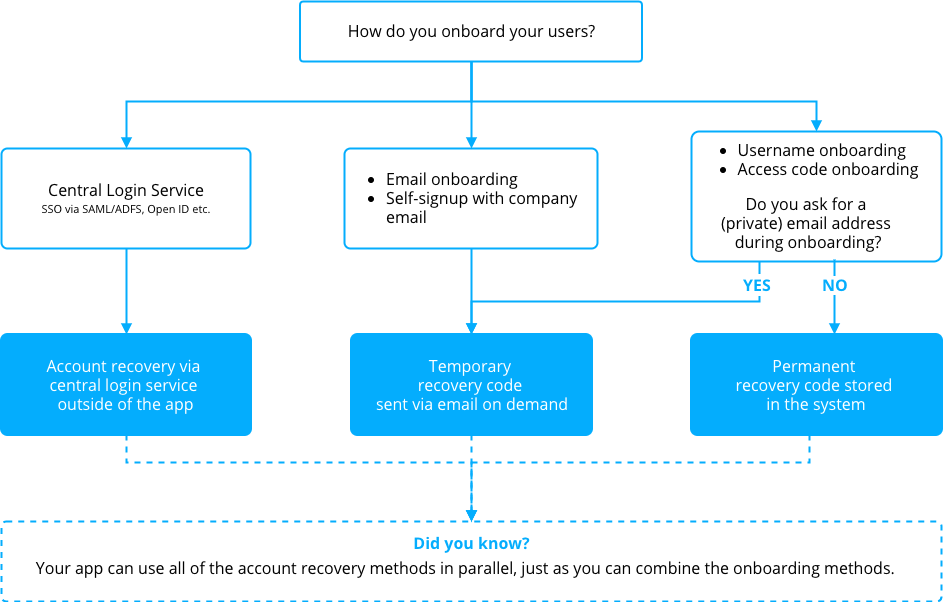
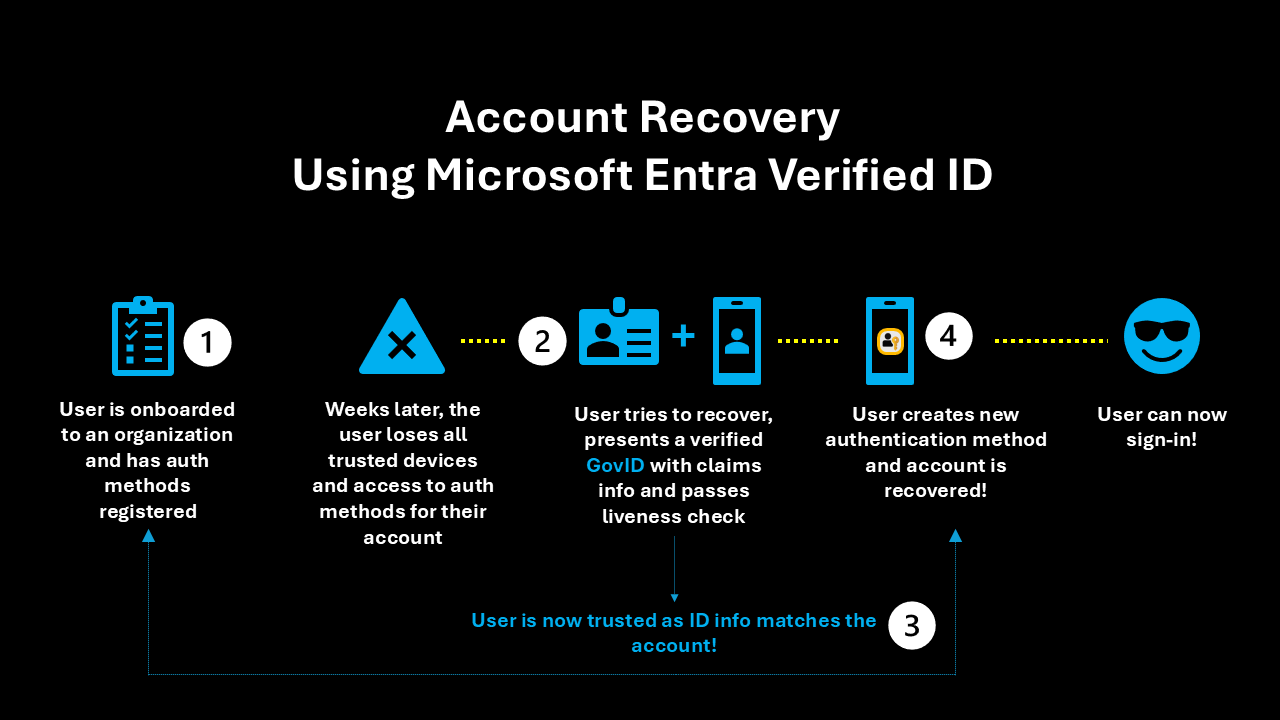
Once accounts are established, the management of personal information becomes paramount. Users expect control over their data, including the ability to view, edit, or delete personal information easily. Platforms that offer robust account dashboards allow users to manage email addresses, contact details, and security settings efficiently. Features like two-factor authentication and secure password management contribute to a safer environment, giving users confidence that their data is protected against unauthorized access. It is also important to implement clear protocols for recovering lost credentials, such as password reset flows that are both secure and user-friendly, balancing protection with convenience.
Another essential element of account management is the customization and personalization of the user experience. By enabling users to adjust settings according to their preferences, platforms can improve engagement and satisfaction. Options might include notification preferences, interface themes, language selection, or privacy settings. Personalization also extends to content recommendations, activity tracking, and user-specific interfaces that adapt based on behavior and interaction patterns. Effective account management ensures that these personalized experiences are preserved consistently across devices, enhancing user loyalty and trust in the platform’s reliability.
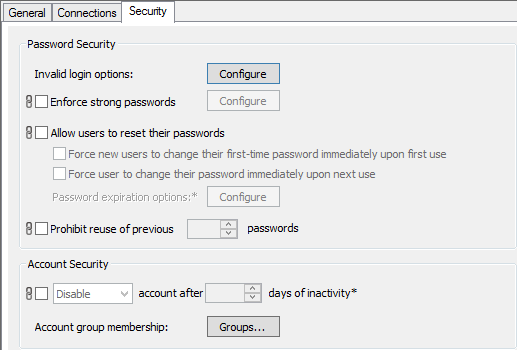
User account security should be continuously monitored and updated in response to emerging threats. Platforms must implement measures to detect suspicious activity, such as unusual login attempts or simultaneous access from multiple locations. Alerts and automated responses can notify users of potential security breaches, prompting immediate action to mitigate risks. Regularly updating security protocols, enforcing strong password standards, and educating users about safe practices, such as avoiding public Wi-Fi for sensitive transactions, are all integral to maintaining account integrity. Transparency about security measures reassures users that their accounts are well-protected and that the platform is actively working to safeguard their information.
Account management also involves handling account lifecycle events effectively. This includes providing users with clear options to deactivate, suspend, or delete their accounts. A well-designed process ensures that users understand the consequences of each action, such as the loss of data or access to services. Platforms should also implement retention policies that comply with legal requirements, automatically archiving or deleting inactive accounts after a set period. Furthermore, providing a path for account reactivation can encourage users to return, improving long-term engagement while respecting their autonomy and data privacy.
Integration with other services and platforms is another consideration for account management. Users often prefer the convenience of single sign-on solutions or the ability to link accounts across multiple platforms. This requires careful handling of authentication tokens, data sharing permissions, and privacy controls. Platforms must ensure that integrations maintain security standards and provide users with clear information about what data is shared and how it is used. Properly managed integrations enhance user experience by reducing friction while maintaining trust and transparency.
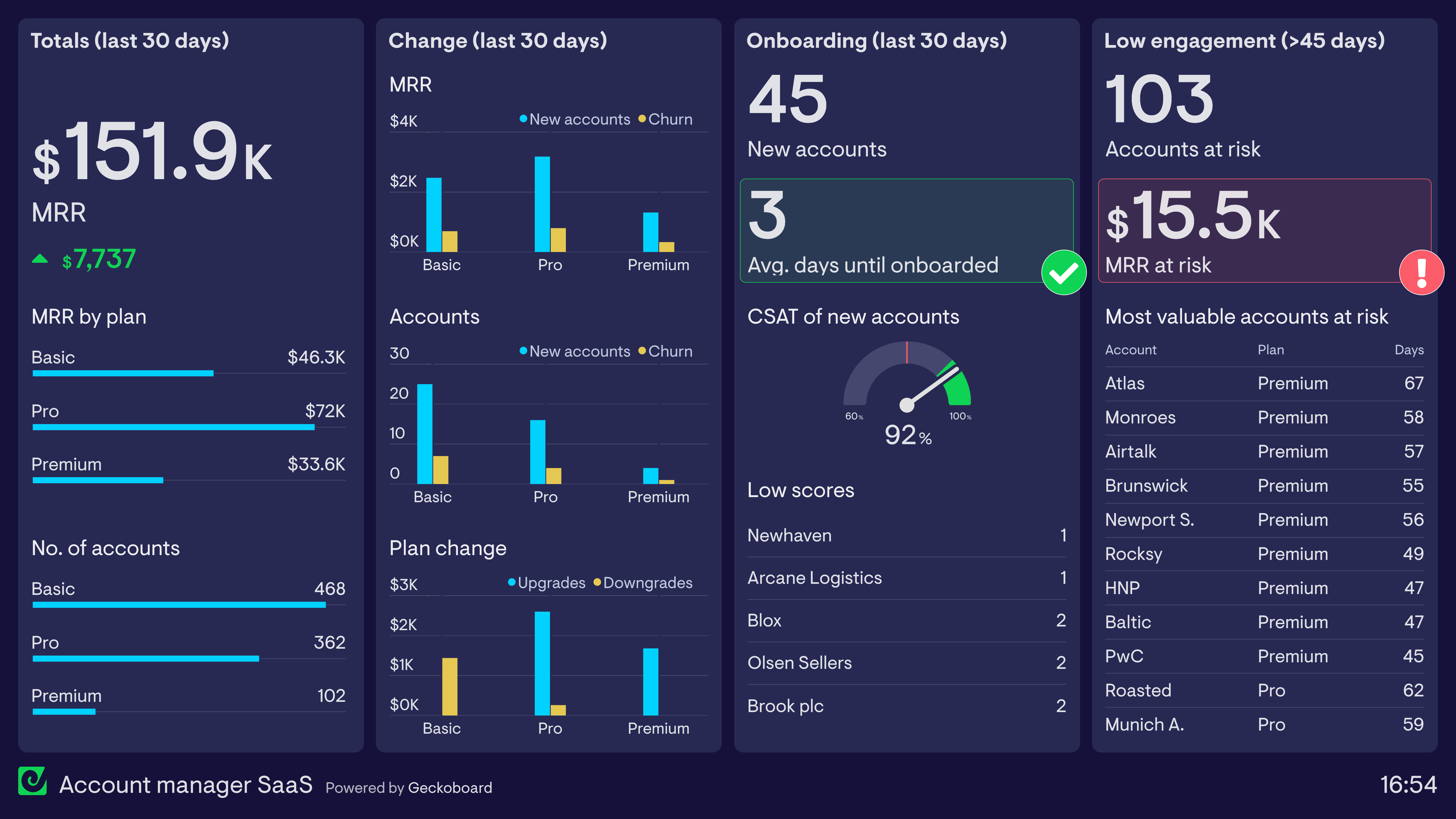
Analytics and reporting play a vital role in understanding how users interact with their accounts and the platform. By monitoring login frequency, feature usage, and activity patterns, platforms can identify opportunities for improvement, detect anomalies, and optimize account-related workflows. However, it is crucial that data collection respects user privacy and complies with regulations such as GDPR or CCPA. Providing users with access to activity logs and giving them control over data usage not only strengthens trust but also allows them to feel empowered in managing their digital footprint.
Customer support and responsive communication are also integral components of user account management. Users may encounter issues ranging from technical errors to security concerns, and a platform’s ability to address these efficiently can significantly affect satisfaction. Support channels should be accessible, clear, and responsive, providing step-by-step guidance for resolving problems. Additionally, automated help resources, such as FAQs or chatbots, can supplement human support, offering immediate assistance for common account-related questions. Effective communication ensures users feel supported, reducing frustration and promoting a positive experience.
In addition to reactive support, proactive account management strategies enhance user trust and retention. Platforms can notify users about important updates, such as changes to terms of service, security enhancements, or new features, in a timely and clear manner. Proactive engagement, like reminders to update security settings or review privacy preferences, helps maintain account integrity while demonstrating that the platform prioritizes user welfare. These practices not only safeguard the platform’s reputation but also reinforce a culture of transparency and accountability.
Ultimately, successful user account management is about balancing convenience, security, personalization, and transparency. Platforms that invest in clear workflows, robust security protocols, user empowerment, and proactive communication foster trust and loyalty. By continuously adapting to evolving user needs and security challenges, account management becomes a cornerstone of a platform’s overall success, ensuring that users feel safe, informed, and in control of their digital experience. A well-managed account ecosystem reflects a platform’s commitment to its users, establishing a foundation for long-term engagement, satisfaction, and trust.

Be First to Comment